
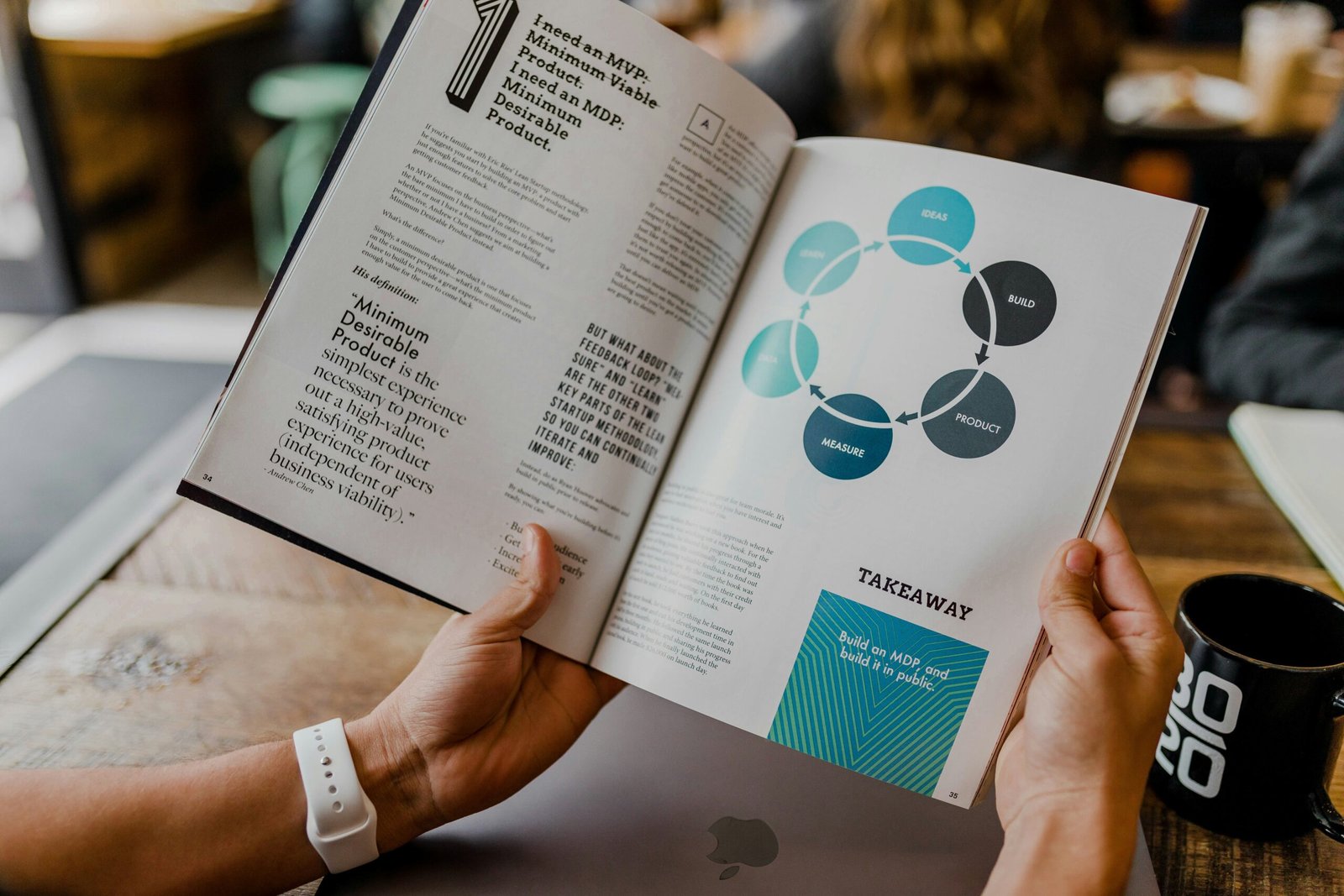
Every business starts as an idea. The difference between ideas that become successful businesses and ideas that fade is usually process: validating demand, planning carefully, and launching with a clear way to reach customers.
This guide walks you through each stage, from first idea to first customers.
Step 1: Validate Your Idea
Before investing serious time or money, confirm that people want what you plan to sell.
- Talk to potential customers. Ask about their problems, not your solution.
- Study competitors. Competition is often a good sign: it means there’s demand.
- Search online. Use Google and keyword research to see how many people search for your product or service.
- Test small. Pre-sell, offer a pilot service, or run a small ad to gauge interest.
Step 2: Write a Simple Business Plan
Your plan doesn’t need to be 50 pages. It should answer: who your customers are, what you sell and at what price, how you’ll reach customers, what it costs to start and operate, and when you expect to be profitable. If you’ll seek investment, read how to write a business plan that attracts investors.
Step 3: Choose a Business Structure and Register
Common structures include sole proprietorships, LLCs, partnerships, and corporations. Each has different liability and tax implications, so it’s wise to talk with an accountant or attorney. Then register your business name, get an EIN from the IRS, and obtain any required state or local licenses and permits.
Step 4: Set Up Your Finances
- Open a separate business bank account.
- Set up bookkeeping software from day one.
- Create a startup budget and a monthly operating budget.
- Understand your tax obligations.
Our guide to financial management for small business owners covers the essentials.
Step 5: Build Your Brand
Choose a memorable name, create a professional logo and color palette, and decide how you want customers to perceive you. A consistent brand builds trust from your first interaction. Read how to build a strong brand identity.
Step 6: Build Your Website
Your website is often the first place customers check before contacting you. At launch you need, at minimum: a clear homepage, service or product pages, an about page, reviews or credibility signals, and an easy way to contact you.
Choosing a platform? Compare WordPress vs. Wix vs. Squarespace, and see what a small business website costs.
Step 7: Get Found Locally
If you serve a local area, set up and verify your Google Business Profile before launch day. It’s free and can bring in calls quickly. List your business on key directories with consistent contact information.
Step 8: Plan Your Launch Marketing
- Tell your personal and professional network.
- Offer an introductory promotion.
- Ask early customers for reviews.
- Consider a small, targeted ad campaign. See SEO vs. Google Ads.
Step 9: Launch, Measure, and Adjust
After launch, track where customers come from, which services sell best, and what customers say. Adjust pricing, offers, and marketing based on real data. Most successful businesses look different a year after launch than they did on day one.
Common Startup Mistakes
- Skipping validation and building something nobody wants.
- Underestimating startup and operating costs.
- Mixing personal and business finances.
- Launching without a website or Google Business Profile.
- Trying to market everywhere at once.
For a condensed checklist, see 5 essential steps to starting a successful business.
Launching a New Business?
CDD Services helps new businesses launch with a professional brand identity, a custom website, and local SEO from day one. Book a free consultation.